

GLP-1 medications like semaglutide and tirzepatide have rapidly become some of the most in-demand treatments for both type 2 diabetes and weight management. With that surge in demand, concerns about availability haven’t disappeared—even as supply has improved in certain areas.
If you’re currently taking a GLP-1 (or considering starting one), it’s reasonable to ask: Will I be able to get my medication consistently?
Here’s what’s actually happening with GLP-1 supply—and how to navigate it without unnecessary stress.
Are GLP-1 Medications Still in Shortage?
As of early 2025, supply conditions have improved—but not uniformly.
- Semaglutide (Ozempic, Wegovy) and tirzepatide (Mounjaro) are no longer officially listed as in shortage.
- Dulaglutide (Trulicity) and liraglutide (Victoza, Saxenda) may still experience supply constraints.
This means access depends heavily on which medication you’re prescribed, your location, and your pharmacy’s inventory.
Even when a drug is technically “available,” localized shortages or delays can still occur. As demand continues to grow, intermittent supply disruptions remain possible.
RELARTED: MedVi Overview: What This GLP-1 Telehealth Platform Actually Offers
How Pharmacies Actually Handle Shortages
Pharmacies don’t just run out and stop dispensing—they use several strategies to manage limited supply:
- Waitlists: Patients may be placed on a chronological waitlist if supply is limited.
- Partial Refills: Some pharmacies dispense reduced quantities to help more patients maintain access.
- Therapeutic Substitution: If appropriate, your pharmacist may coordinate with your doctor to switch to an alternative GLP-1.
- Patient Prioritization: Patients with type 2 diabetes are typically prioritized over weight-loss-only prescriptions during shortages.
These systems are designed to maintain continuity of care—even when supply is tight.
GLP-1 medications (glucagon-like peptide-1 receptor agonists) are considered highly important in modern medicine—particularly for type 2 diabetes management, cardiovascular risk reduction, and increasingly for chronic weight management. Their importance comes from both clinical effectiveness and broad health impact.
Essential Questions for Your Pharmacist
Don’t just walk away if the shelf is empty. Ask these specific questions to help your doctor find a workaround:
- “Is this a manufacturer-wide shortage or just a wholesaler delay?” (This tells you if you should call other pharmacies).
- “Are there alternative strengths in stock?” (Your doctor may be able to adjust your dose—for example, taking two smaller doses to equal one larger one).
- “Can you check the inventory of other branches in your network?”
- “If my brand is unavailable, is there a clinically appropriate alternative you’re seeing in stock?”
Should You Consider Compounded GLP-1 Medications?
Compounded GLP-1 drugs are sometimes offered when branded medications are hard to obtain—but they come with important caveats:
- They are not FDA-approved;
- Their quality and consistency may vary;
- Major medical organizations (like the American Diabetes Association) advise caution.
If a compounded option is considered, experts recommend using only licensed 503A or 503B compounding pharmacieswith verified quality controls.
Where Telehealth Platforms Like MEDVi Fit In
When brand-name drugs are hard to find or too expensive, many patients turn to compounding pharmacies. These pharmacies create custom versions of medications using raw ingredients.
If cost or access is your primary hurdle, MEDVi has emerged as a major player in this space. They offer a telehealth platform specifically designed to streamline access to these treatments.
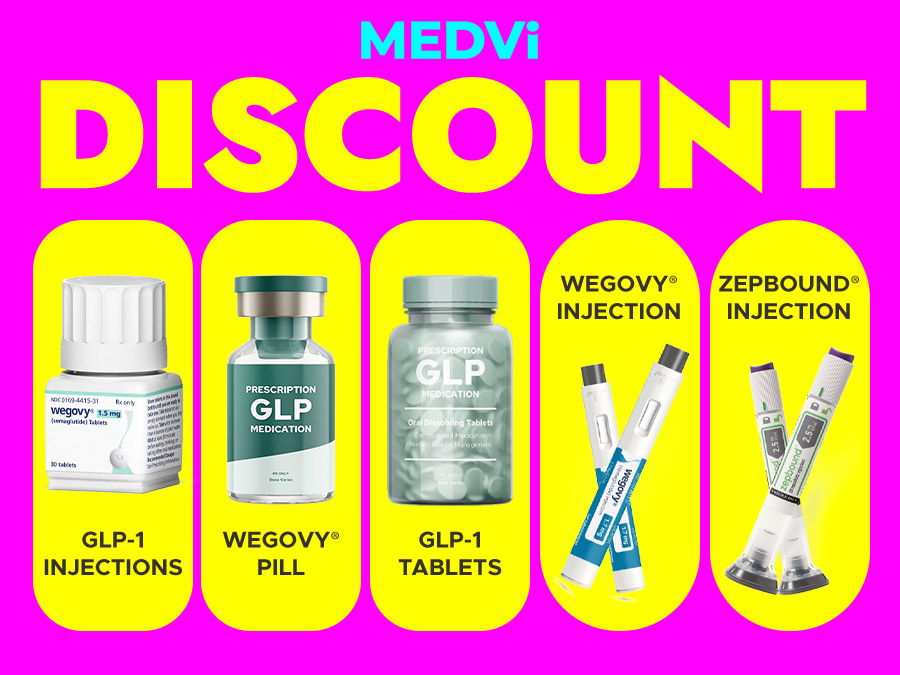
MEDVi provides:
- Online medical consultations with licensed clinicians;
- Access to GLP-1 medications, including compounded versions when appropriate (MEDVi is known for offering some of the cheapest introductory prices in the industry for compounded GLP-1s, with starter rates often beginning around $179 for first month);
- Home delivery and ongoing care management.
This model can be helpful for patients who:
- Struggle to find medications locally;
- Want a more streamlined prescription process;
- Prefer remote care and follow-up.
However, the same caution applies: if using compounded medications through any platform, patients should verify pharmacy sourcing, quality standards, and medical oversight.
Click Here to Start with MEDVi — Get $120 Off Your First Month + Free Shipping
What Not to Do During a Shortage
A few common mistakes can make things worse:
- Don’t reduce your dose on your own to “stretch” medication;
- Don’t switch medications without medical guidance;
- Don’t restart at a high dose after a gap.
GLP-1s require “titration”—a slow build-up in your system. If you lower your dose and then jump back to your full dose later, you risk severe gastrointestinal side effects. Always allow your pharmacist and doctor to guide you through a temporary bridge until the supply is steady once again.
GLP-1 shortages are no longer as severe as before—but they haven’t disappeared entirely.
The key takeaway:
- Supply varies by drug and location
- Pharmacies have systems to manage shortages
- You have options—but they should always be guided by a healthcare professional
Instead of trying to solve access issues alone, involve your pharmacist and doctor early. They are equipped to help you navigate temporary disruptions safely and effectively.
Disclaimer: This review is for informational purposes only and does not constitute medical advice. Consult a doctor before using any products, especially if you are taking medication or have underlying health conditions. Results may vary, and customer testimonials do not guarantee similar outcomes. Prices, discounts, and coupon availability are subject to change; please verify the final offer terms at checkout.